
Pediatric Physiotherapy
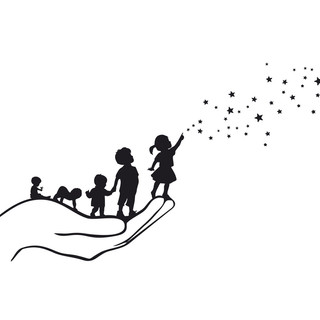

Pediatric physiotherapy is often seen as just another specialty, but in reality, it plays a crucial role in the lives of young people. In a world where physical activity and mental well-being are increasingly valued, it is vital to understand how specific approaches can make a meaningful difference in children’s lives. Pediatric physiotherapy goes far beyond treating injuries—it aims to enhance quality of life and promote optimal development.
But who is pediatric physiotherapy for?
This discipline is intended for children from birth through adolescence who may face a wide range of challenges, such as motor development delays, neurological disorders like cerebral palsy, congenital abnormalities, or sports injuries in teenagers. It also addresses chronic respiratory conditions, obesity, and emotional difficulties such as anxiety, demonstrating the versatility and significance of this practice in child health care.
Why is it so essential?
The early years of life are critical for a child’s overall development. Early intervention through physiotherapy not only treats existing conditions but also helps prevent future complications. With tailored care, children can improve their mobility, gain greater independence, and build self-confidence—all of which have a direct, positive impact on their psychological and social well-being.
Where is pediatric physiotherapy practiced?
Care can be provided in various settings: hospitals, specialized clinics, private practices, or even at home. Each setting offers unique benefits: hospitals and clinics often have specialized equipment, while in-home physiotherapy allows care to be integrated into the child’s natural environment, encouraging greater family involvement and making it easier to incorporate therapy into daily life.
So, what does a pediatric physiotherapy session actually look like?
One of the most remarkable aspects is how it adapts to each child’s unique needs. Since every patient is different, physiotherapists use innovative, playful techniques to make exercises enjoyable and engaging. Games, music, and creative interactions are integral parts of the sessions, allowing children to experience therapy as a fun and rewarding activity rather than a burden. Additionally, the therapeutic approach often involves the family, ensuring effective continuity and helping extend the benefits of therapy into the home environment.
In conclusion, pediatric physiotherapy is a cornerstone of healthy child development. Through early, tailored, and holistic care, it plays a vital role in laying strong foundations for a child’s future—turning today’s small victories into tomorrow’s great achievements.


Comments